How to read lighting reference values
Six specifications answer six different questions, not a single ranking of quality. Read values in the context of a space and distinguish concept references from measured specifications for a real product.
Power describes one aspect of electricity use, not illuminance in a space or efficiency on its own. Colour temperature in K describes the tone of light, not brightness. Choose a warmer or cooler tone in relation to activities, materials and time of day. Power and colour temperature alone cannot show whether a work surface receives enough light.
Colour rendering indicates how a source affects colour appearance, but a single Ra value does not describe every colour or viewing condition. Beam angle describes part of the light distribution; the resulting patch also depends on distance, aiming and optics. Compare verified photometric files and test conditions rather than ranking fixtures by angle alone.
Dimensions affect installation and proportion; check openings, fixing methods and clearance. An IP rating describes dust and water protection under specific tests, not suitability for every environment. Outdoor use also requires verified instructions, exposure and installation conditions. Material and finish information should likewise come from evidence about the actual product.
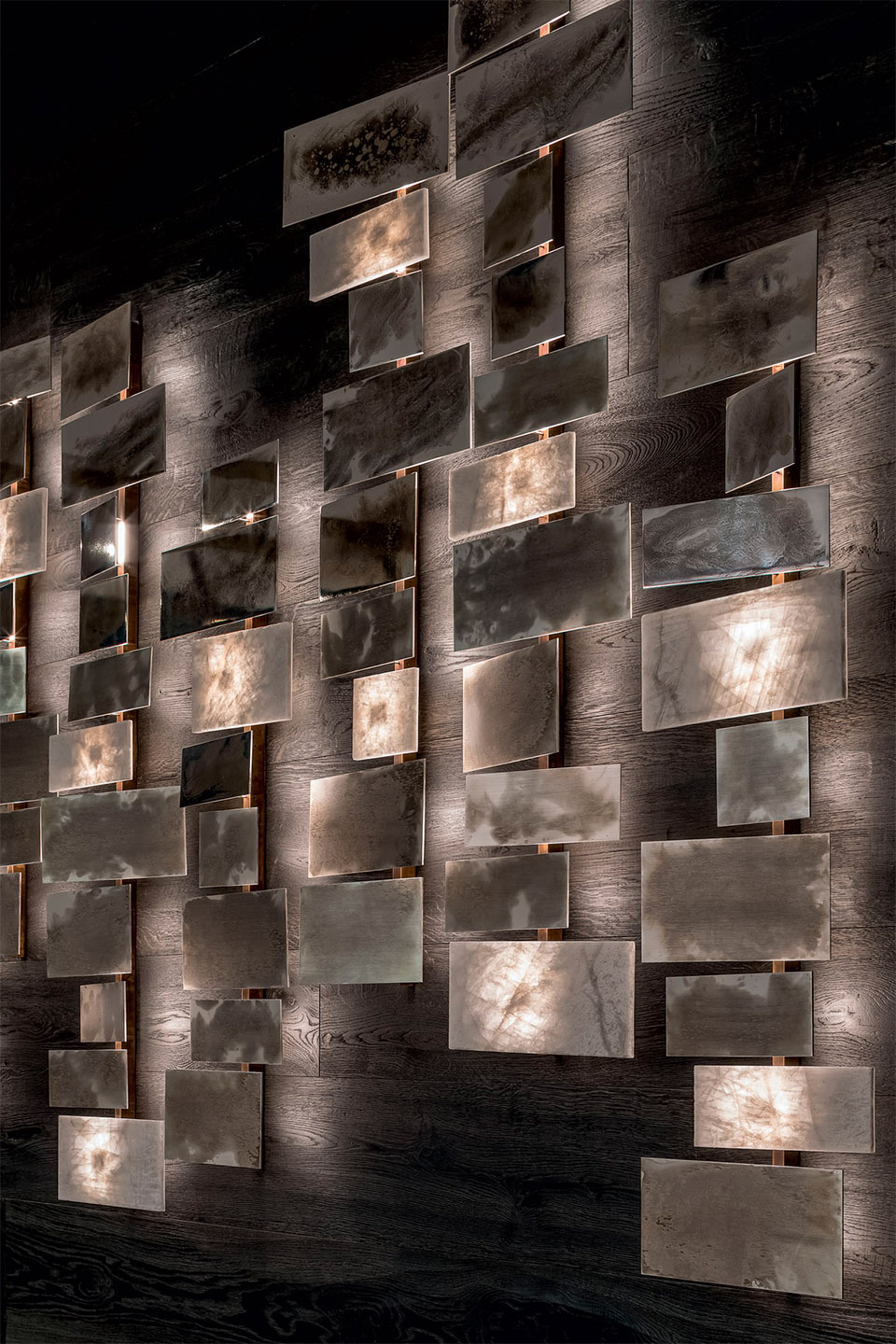
All seven current models on this site are concepts. Their six specifications are design reference values, not measured or commercial specifications, and cannot support purchasing, compliance or installation promises. The material photograph is an attributed temporary Henge reference, not evidence of CITAR materials or manufacturing. Obtain real product documents and check them against site measurements before making an actual design.