Understanding layers of light through scenes
Describe what people do in a space before assigning light its tasks. Ambient, accent and task lighting do not replace one another; together they make a place legible, comfortable and rhythmic.
Reading, conversation and passing through the same living room have different needs. List the activities, their locations and the time of day before choosing fixtures. The scene selector separates these questions into spaces and goals. Its recommendations are a way to think, not a construction list that works without site assessment.
Ambient light helps people recognise boundaries and routes; it need not make every surface equally bright. Accents guide attention to artwork, displays or a social centre, while task light serves activities such as working at a table. Giving each layer a role often explains a space better than simply raising overall brightness.
Layers also depend on viewing direction, surface reflection and daylight. Glare can differ when someone is seated or walking past. The same light feels different on dark wood and a smooth pale surface. Confirm decisions with site samples, photometric information and measurements rather than relying on mood photographs alone.
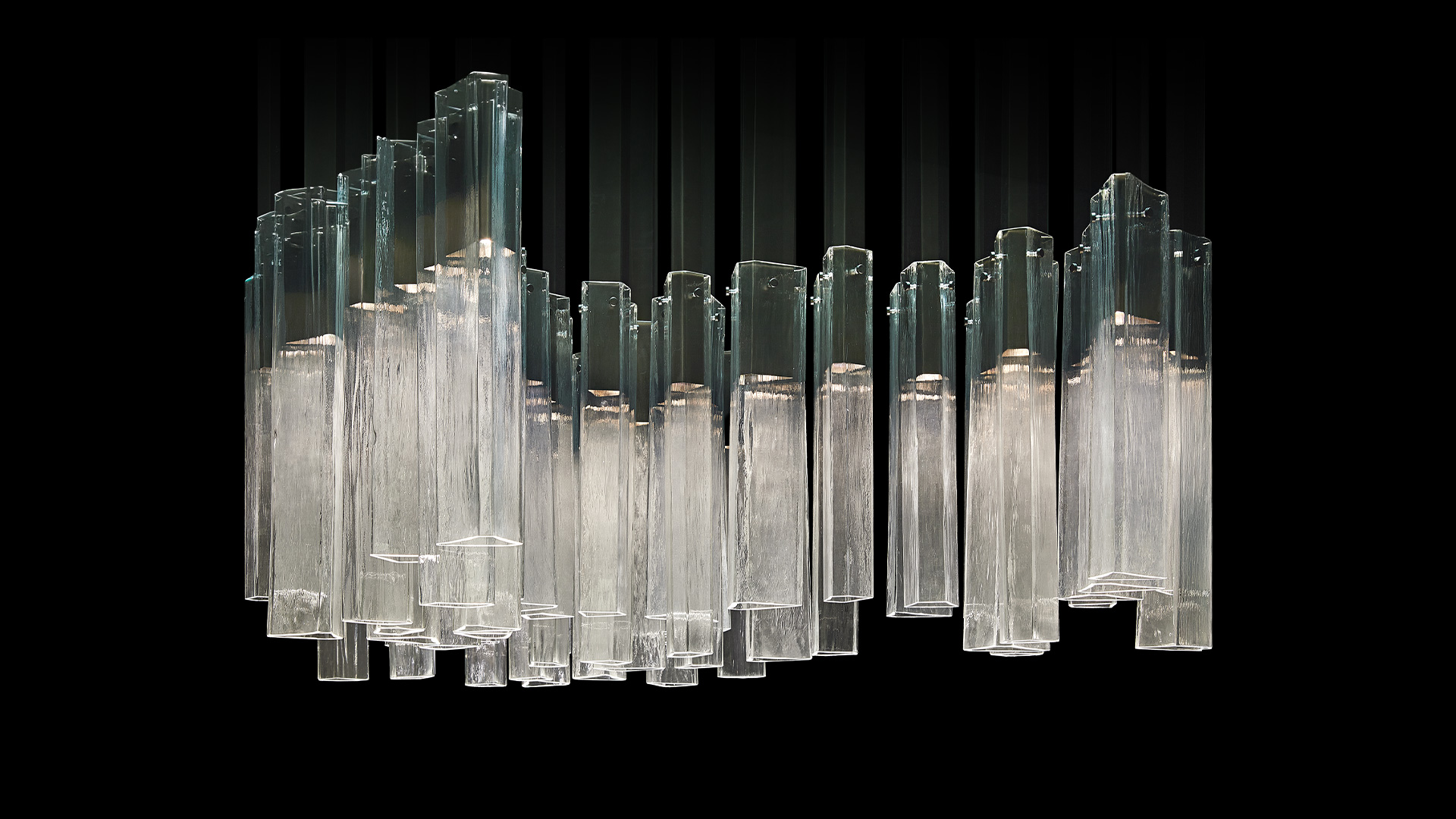
The transparent suspended fixture pictured is Henge Alloy, an attributed temporary reference for the relationship between form and light, not a CITAR model. This site’s original concept lights and reference values help discuss direction; they do not describe the pictured installation or replace lighting calculations and verified product information.